WHEN USING HYRNUO® AS FIRST TREATMENT
As part of a larger study, HYRNUO was studied in 69 people with NSCLC that had spread to their chest or to other parts of
their body.
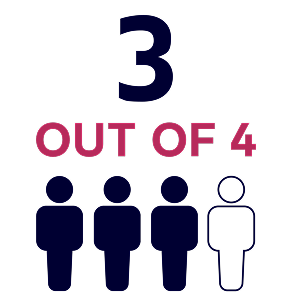
75% OF PEOPLE HAD A CONFIRMED RESPONSE TO HYRNUO
In the clinical study, 6% of people (n=4) experienced a complete response, meaning the disappearance of cancer cells.
Additionally, 70% of people (n=48) had a partial response, meaning a decrease in the size of cancer of 30% or more.

THE 52 PEOPLE WHO RESPONDED TO HYRNUO HAD THEIR RESPONSE TO TREATMENT LAST BETWEEN 1.5 MONTHS TO 21.6 MONTHS AND BEYOND
A majority of people (73%) saw their response to treatment last at least 6 months, based on the data in the study.
IN PEOPLE WHO WERE PREVIOUSLY TREATED BUT NEW TO HER2-TARGETED TREATMENT:
As part of a larger study, HYRNUO was studied in 70 people with NSCLC that had spread within their chest or to other parts of their body.

71% OF PEOPLE HAD A CONFIRMED RESPONSE TO HYRNUO
In the clinical study, 3% of people (n=2) experienced a complete response, meaning the disappearance of cancer cells.
Additionally, 69% of people (n=48) had a partial response, meaning a decrease in the size of cancer of 30% or more.

25 OUT OF 50 PEOPLE WHO RESPONDED TO HYRNUO HAD A RESPONSE THAT LASTED 9.2 MONTHS
There was a range of time that people continued to see results, with the highest likelihood that a response to treatment (95%) would last between 6.3 to 15 months.
More than half of people (54%) saw their response to treatment last at least 6 months, based on the data in the study.
IN PEOPLE WHO WERE PREVIOUSLY TREATED WITH TREATMENT THAT TARGETS HER2:
As part of a larger study, HYRNUO was studied in 52 people with NSCLC that had spread within their chest or to other parts of their body.
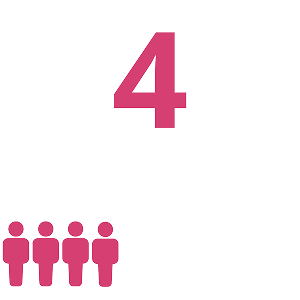
38% OF PEOPLE HAD A CONFIRMED RESPONSE TO TREATMENT WITH HYRNUO
In a clinical study, 6% (n=3) experienced a complete response, meaning the disappearance of cancer cells.
Additionally, 33% of people (n=17) had a partial response, meaning a decrease in the size of cancer of 30% or more.

10 OUT OF 20 PEOPLE WHO RESPONDED TO HYRNUO HAD A RESPONSE THAT LASTED 7 MONTHS
There was a range of time that people continued to see results, with the highest likelihood that a response to treatment (95%) would last at least 5.6 months.
More than half of people (60%) saw their response to treatment last at least 6 months, based on the data in the study.
HYRNUO MAY CAUSE SIDE EFFECTS
The most common side effects of HYRNUO include:
- diarrhea
- rash
- nail problems, including infection and inflammation
- mouth sores
- nausea
- vomiting
- changes in certain blood tests
Serious side effects of HYRNUO include:
Diarrhea can be severe. This can cause your body to lose too much body fluid (dehydration) and salts (electrolyte imbalances). Diarrhea usually occurs around Day 4. At the first sign of diarrhea:
- Contact your healthcare provider immediately
- Drink plenty of fluids
Start antidiarrheal treatment as soon as possible; you should have an
antidiarrheal medicine available before you start taking HYRNUO
Additional tips to consider when starting treatment:
- Eat foods that are low in fiber
- Try to eat several small meals per day instead of 2 or 3 larger ones
- Avoid spicy food, dairy products, caffeine, and alcohol
These are not all the possible side effects of HYRNUO.
Call your doctor for medical advice about side effects. You may report side effects to FDA at 1-800-FDA-1088.
HER2=human epidermal growth factor receptor 2; NSCLC=non-small cell lung cancer.